
Understanding gambling addiction How World Cup AI Predictions can help you regain control
What is Gambling Addiction?
Gambling addiction, also known as compulsive gambling or pathological gambling, is characterized by an overwhelming urge to gamble despite the negative consequences. This condition often leads individuals to prioritize gambling over personal relationships, careers, and finances. It can manifest in various ways, such as betting on sports, playing poker, or visiting casinos frequently, often escalating in severity over time. Recognizing the signs of gambling addiction is the first step toward regaining control, especially when considering that world-class events like the World Cup can pose unique challenges for bettors interested in WC AI Predictions at aiworldcup2026predictions.com.
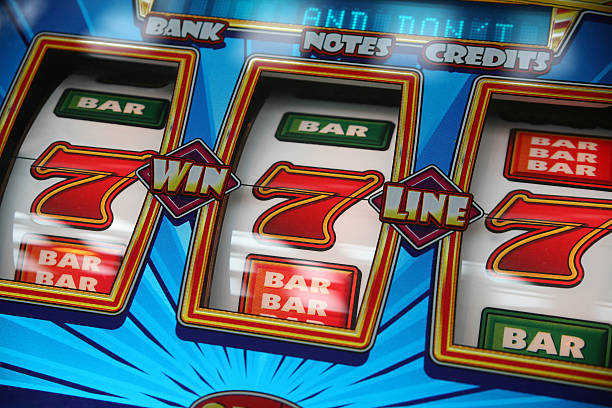
The psychological underpinnings of gambling addiction often involve a mix of emotional and cognitive distortions. Many individuals believe they can outsmart the system or rely on luck, leading them to chase losses. This mindset reinforces the addiction, making it difficult to break free. Emotional triggers, such as stress or boredom, can further fuel the desire to gamble, creating a vicious cycle that’s hard to escape.
Over time, gambling addiction can lead to significant financial problems, strained relationships, and deteriorating mental health. The addiction can cause feelings of guilt and shame, pushing individuals deeper into isolation. Understanding these dynamics is crucial for anyone looking to confront their gambling behavior or help someone else struggling with this addiction.
The Impact of Gambling Addiction
The repercussions of gambling addiction extend beyond personal struggles; they ripple through families and communities. Financial instability due to gambling can lead to debt, bankruptcy, or even criminal activity to support the addiction. Families often suffer from emotional distress, as trust is eroded and relationships become strained. Children of addicted parents may face neglect or emotional hardships, leading to long-lasting effects on their well-being.
Additionally, gambling addiction correlates with a range of mental health issues, such as anxiety, depression, and substance abuse disorders. This intersectionality complicates recovery efforts, as individuals often grapple with multiple challenges at once. Recognizing that these problems are interlinked is essential for developing effective treatment strategies.
Beyond individual and familial impact, gambling addiction places a burden on healthcare and social services. The costs associated with treating mental health issues related to gambling can be significant. As awareness grows about the consequences of gambling addiction, communities are beginning to develop preventive measures and support systems, emphasizing the importance of early intervention.
How AI and Technology Can Assist
Artificial intelligence is making waves in various sectors, and the realm of gambling is no exception. With advancements in data analytics and machine learning, AI offers insights that can help individuals make more informed betting decisions. By analyzing historical data and current trends, AI can help mitigate impulsive behavior that often accompanies gambling addiction.
For instance, World Cup AI predictions can provide a data-driven approach to sports betting. Instead of relying on gut feelings or emotional impulses, bettors can utilize comprehensive analysis that factors in team statistics, player performance, and historical outcomes. This method not only enhances the betting experience but also encourages more responsible gambling practices.
Moreover, AI can serve as a tool for tracking personal gambling habits. Apps that integrate AI technology can provide users with feedback on their betting behavior, flagging excessive betting or significant losses. This self-awareness can empower individuals to take control of their gambling tendencies and seek help if necessary.
Strategies for Regaining Control
Recognizing the signs of gambling addiction is the first step toward recovery, but developing effective strategies to regain control is vital. Setting strict limits on betting, whether it be monetary or time-related, can help individuals create boundaries. Engaging in activities that don’t involve gambling is equally crucial. Hobbies, exercise, and social interactions can distract from the urge to gamble, offering healthier outlets for stress and boredom.
Seeking professional help is also a recommended strategy for overcoming gambling addiction. Therapists and counselors who specialize in addiction can provide valuable insights and coping mechanisms. Support groups, such as Gamblers Anonymous, offer a community where individuals can share their experiences and learn from one another, fostering a sense of belonging and understanding.
Lastly, utilizing technology as a self-regulation tool can be beneficial. Many organizations offer apps designed to help users monitor their gambling habits, reminding them of their limits and encouraging mindfulness. Combining these strategies creates a holistic approach to recovery, allowing individuals to reclaim their lives from the grips of gambling addiction.
Exploring AI Predictions for the World Cup
The upcoming FIFA World Cup presents an exhilarating opportunity for fans and bettors alike. With the introduction of AI-driven predictions, users can access comprehensive match forecasts, enabling them to make informed betting decisions. By analyzing data from previous tournaments and current team performances, AI provides a clear picture of potential outcomes, assisting bettors in strategizing effectively.
These AI predictions are not merely based on instinct but on rigorous statistical analysis. For instance, the algorithms evaluate player injuries, team dynamics, and even historical matchups. This data-rich approach not only enhances the betting experience but also supports responsible gambling by promoting informed choices over impulsive betting.
As the tournament unfolds, staying abreast of AI-generated insights can help mitigate the risks associated with gambling. Rather than relying solely on luck or emotional investment in a team, bettors can utilize the predictions to guide their decisions, ultimately fostering a healthier gambling experience during the World Cup.